Comida maravilhosa!! Comida chinesa bem temperada, e é buffet livree, você come avontade. Tem sobremesa tambem, muito gostosa por sinal. Serviço muito bom e ambiente gostoso. ADOREIII Podem vir sem medo, e você come bastantee.
Overview
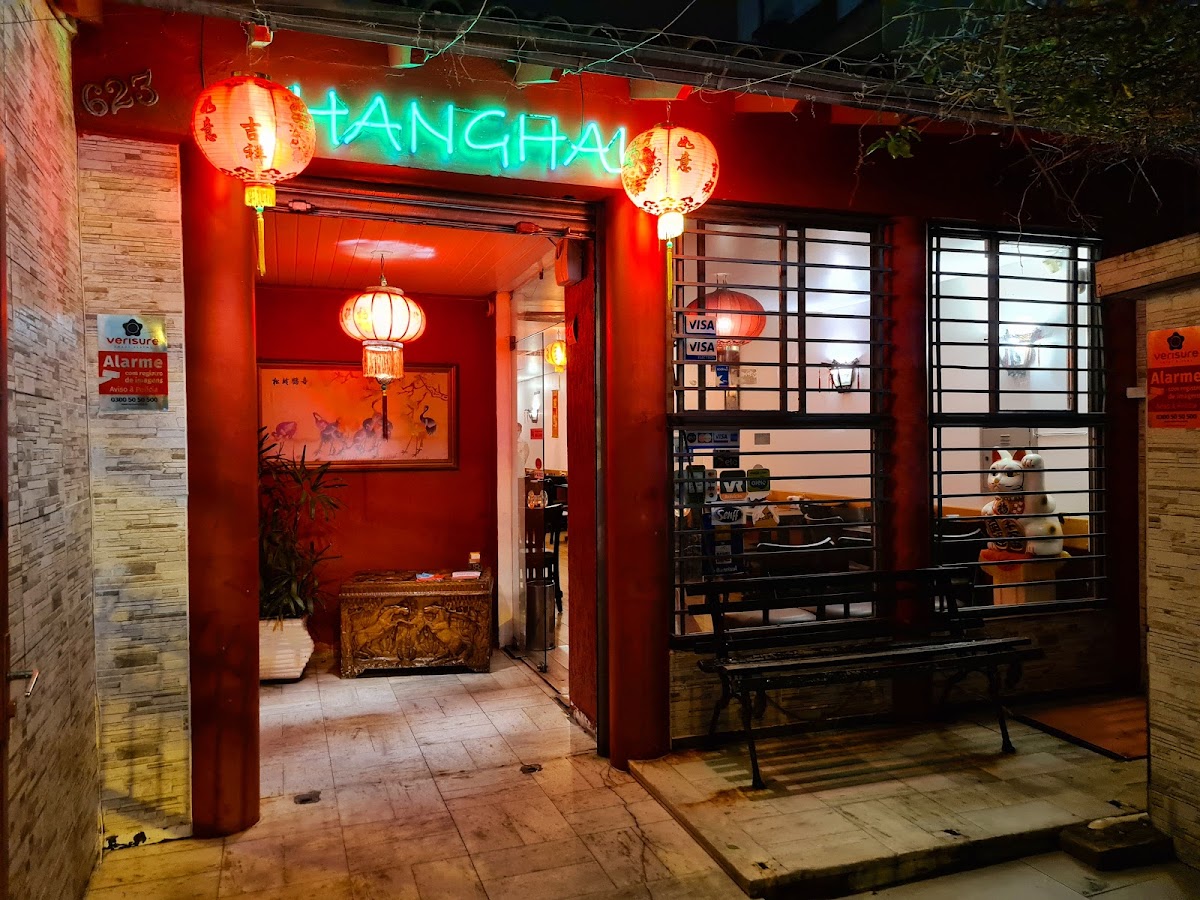
If you’ve ever driven along Av. Protásio Alves in Porto Alegre, chances are you’ve noticed the steady flow of people heading into Shanghai at number 623 in the Rio Branco neighborhood. It’s one of those places that doesn’t scream for attention, yet it’s always busy. That alone says something. In a city known for its churrascarias and Italian cantinas, a long-standing Asian restaurant earning consistent local reviews is worth a closer look.
The first time I visited, I was tagging along with a colleague who had lived in Porto Alegre for over a decade. He told me this was his family’s go-to spot for Sunday lunch whenever they wanted something different but still comforting. That expectation-comfort combined with authenticity-isn’t easy to meet, especially in Chinese cuisine abroad. Yet from the moment the steaming plates started landing on the table, I understood why this restaurant has built such a loyal base.
The menu is broad without being overwhelming. You’ll find classic Chinese dishes like sweet and sour pork, spring rolls, yakisoba, and fried rice, alongside seafood options and sizzling platters that arrive at your table crackling. According to the Food and Agriculture Organization of the United Nations, rice remains a staple food for more than half of the world’s population. Here, rice isn’t an afterthought-it’s cooked properly, fluffy and separate, acting as the foundation for richly seasoned stir-fries.
What stood out to me most was the kitchen’s control over heat and timing. In professional culinary practice, stir-frying demands high temperatures and quick movement to preserve texture and nutrients. Studies published in journals such as the International Journal of Gastronomy and Food Science highlight that rapid cooking methods like wok frying can help retain color and crunch in vegetables compared to longer boiling processes. At Shanghai, the broccoli was still vibrant, the carrots slightly crisp, and the proteins tender rather than dry. That’s not luck; that’s technique.
One real example that convinced me of their consistency happened during a weekday dinner rush. The dining room was full, with families celebrating birthdays and couples sharing large plates. We ordered a combination platter with shrimp, chicken, and vegetables in oyster sauce. Even with a full house, the food arrived hot and evenly cooked. The shrimp had that perfect snap-something chefs often describe as the sign of properly handled seafood. Overcooked shrimp turn rubbery fast, yet these were spot on.
Service plays a big role in the experience. The staff knows the menu inside out and doesn’t hesitate to explain ingredients or spice levels. That level of familiarity builds trust. The National Restaurant Association often emphasizes that knowledgeable service significantly improves customer satisfaction scores in restaurant reviews. You can feel that principle in action here. When we asked about gluten-free options, the server carefully pointed out which sauces contained soy and which dishes could be adapted.
The atmosphere is relaxed and welcoming. It’s not ultra-modern or overly themed; instead, it leans into warm lighting, round tables ideal for sharing, and décor that nods to traditional Chinese motifs. Sharing dishes is central to Chinese dining culture, rooted in communal values and hospitality. By encouraging large plates meant for the center of the table, the restaurant subtly preserves that tradition, even in southern Brazil.
Porto Alegre has a growing appreciation for international cuisine, and the Rio Branco location makes this spot accessible from central neighborhoods. Parking can be tight during peak hours, which is something to keep in mind. Still, the steady stream of returning customers suggests that the overall value-portion size, flavor, and attentive service-outweighs minor inconveniences.
Of course, no restaurant is perfect. On one visit, a soup arrived slightly cooler than expected, though it was quickly replaced without hesitation. That responsiveness reinforces reliability. Transparency in handling small issues is part of what makes a dining experience trustworthy rather than merely enjoyable.
From a broader perspective, the restaurant succeeds because it balances adaptation with authenticity. The flavors are accessible to local palates, but they don’t feel diluted. The sauces are layered, the seasoning deliberate, and the cooking method consistent. It’s easy to see why so many Porto Alegre residents consider it part of their regular rotation.
If you’re scanning reviews for a dependable Asian restaurant in the city, especially one that handles classic Chinese dishes with care and respect, this address on Av. Protásio Alves continues to prove why it has endured.
Good to know
Service options
✓ No-contact delivery ✓ Delivery ✓ Takeaway ✓ Dine-inPopular for
✓ Lunch ✓ Dinner ✓ Solo diningAccessibility
✓ Wheelchair-accessible entrance ✓ Wheelchair-accessible seating ✓ Wheelchair-accessible car parkOfferings
✓ Alcohol ✓ All you can eat ✓ Beer ✓ Coffee ✓ Late-night food ✓ Spirits ✓ WineDining options
✓ Lunch ✓ Dinner ✓ Catering ✓ Dessert ✓ Seating ✓ Table serviceAmenities
✓ ToiletAtmosphere
✓ Casual ✓ Cosy ✓ Quiet ✓ TrendyCrowd
✓ GroupsPlanning
✓ Accepts reservationsPayments
✓ Credit cards ✓ Debit cards ✓ NFC mobile payments ✓ Credit cardsChildren
✓ Good for kids ✓ High chairsParking
✓ Free of charge street parking ✓ Free parking lot ✓ Paid street parking ✓ ParkingPhotos
1 / 4
Location
Reviews
- No ratings yet 954 reviews
Buffet é excelente. Camarão, massa de arroz são maravilhosos. Vale o preço. Uma dica é que eu daria é ter o buffet aos sábados.